August 6, 2026
Understanding the importance of regular roofing maintenance can save homeowners from costly emergency repairs. This article explores the key aspects and benefits of maintaining a roof properly to avoid unexpected expenses and ensure the longevity of residential roofing systems. By focusing on preventive strategies, early defect detection, and routine upkeep, property owners can safeguard their homes against severe environmental degradation. Taking proactive measures converts potential disasters into manageable maintenance tasks, ultimately preserving property value and structural integrity.
Comprehensive roof care involves understanding common damage vectors, recognizing the true financial value of professional inspections, and executing essential maintenance procedures throughout the year. Whether dealing with severe weather events, natural material aging, or unwanted pest intrusions, an established maintenance protocol ensures your shelter remains secure. Embracing consistent roof stewardship is the most reliable way to avoid major structural failures and catastrophic water intrusion.
Understanding Common Causes of Roofing Damage
Weather-related deterioration is a primary factor contributing to severe roof damage. Heavy rain, high winds, and hail can compromise the structural integrity of protective surface layers over time. Continuous exposure to ultraviolet solar radiation causes organic materials to dry out, lose flexibility, and become increasingly brittle. In colder regions, freeze-thaw cycles create expanding fractures within vulnerable surfaces, allowing moisture to penetrate deep into sub-layers. Addressing minor surface wear early prevents these weather impacts from escalating into major structural failures that require urgent roofing repairs.
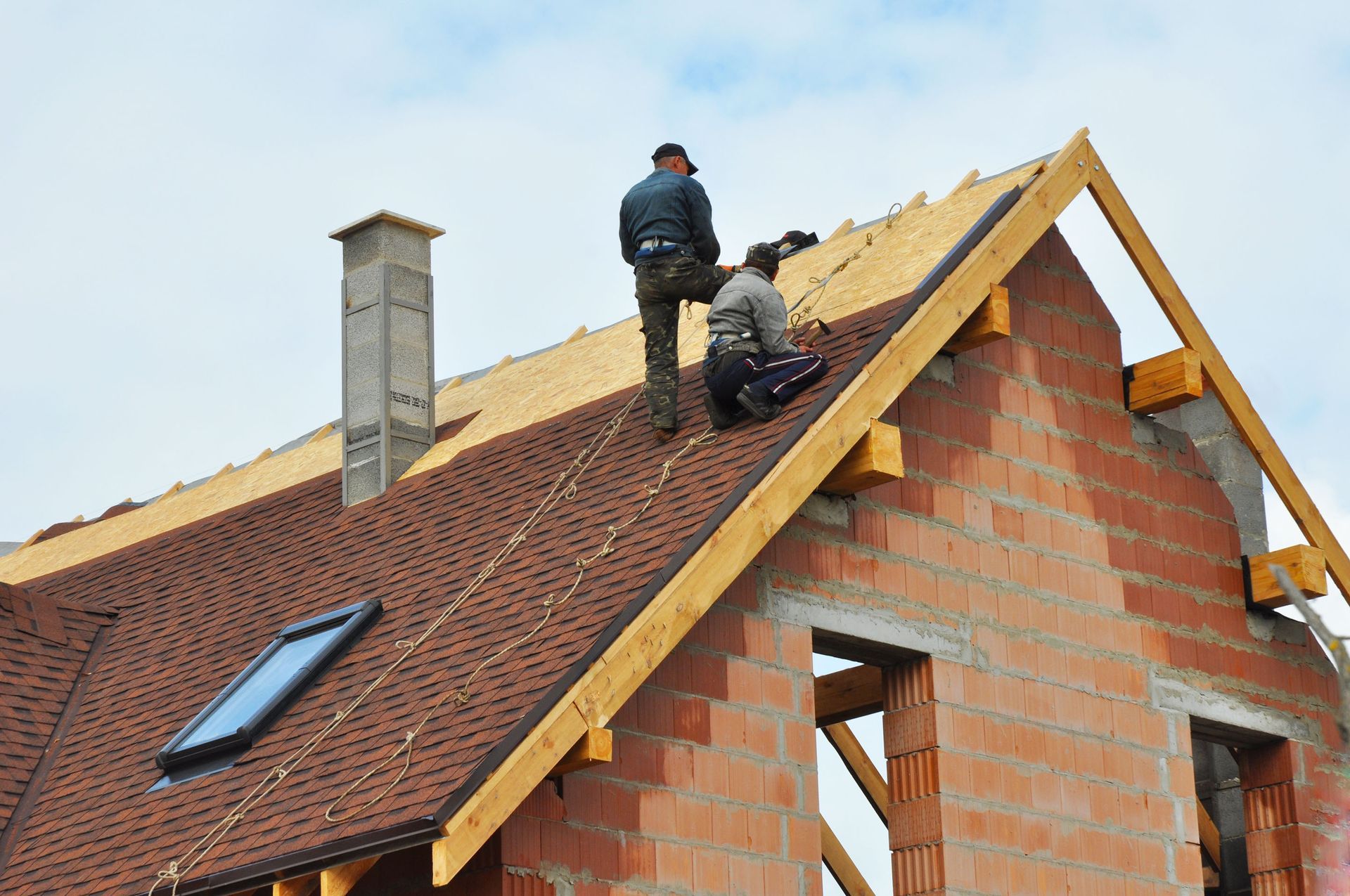
Poor installation practices also create vulnerable entry points for water and wind damage. Incorrect shingle alignment, improper nail placement, and substandard flashing installation expose underlying wooden structures to rot and decay. Furthermore, inadequate attic ventilation traps heat and moisture beneath the roof deck, warping structural sheathing and causing premature material failure. Hiring qualified, certified roofing professionals ensures correct installation techniques that adhere to strict industry guidelines, protecting the building against premature structural collapse.
All roofing materials naturally degrade over time due to persistent environmental exposure. Asphalt shingles gradually shed protective mineral granules, exposing the underlying fiberglass matrix to moisture and sunlight. As materials age, they become prone to curling, splitting, and detaching during windstorms. From findings published by RubyHome, asphalt shingles serve as the standard material according to industry data, utilized in approximately eight out of ten roofing projects. Tracking material age helps homeowners plan timely replacements before complete system failure occurs.
Vegetation growth and accumulated organic debris pose additional risks to overhead structures. Leaves, pine needles, and small twigs hold moisture against roof surfaces, promoting wood rot and shingle decay. Moss and algae thrive in damp, shaded areas, lifting shingle edges and allowing water to back up underneath the protective layer. Similarly, wildlife and pests like birds, rodents, and insects can burrow into eaves, damage insulation, and weaken supporting structural timbers. Managing surrounding trees and sealing entry points mitigates these persistent biological threats.
Benefits of Regular Roofing Inspections
Routine professional inspections allow for the early detection of hidden structural defects, keeping maintenance costs low and preventing sudden emergencies. Certified inspectors possess the technical expertise needed to identify minor vulnerabilities, such as hairline fractures or deteriorating sealants, long before they cause interior water damage. Addressing these minor issues promptly eliminates the need for extensive structural overhauls. Furthermore, maintaining a documented history of professional inspections demonstrates responsible property care, which can help streamline insurance claims following major weather events.
Consistent preventive maintenance drastically extends the overall service life of a roofing system. Identifying localized wear allows for targeted adjustments and minor roofing repairs that preserve the broader system. By preventing water from reaching the internal roof deck, homeowners avoid widespread mold growth, timber rot, and complete system failure. Maximizing the lifespan of existing materials delays expensive total roof replacements, maximizing the financial return on your initial home investment.
Regular inspections also contribute to improved household energy efficiency and thermal performance. A well-maintained roof system, complete with intact underlayment and functioning ventilation, prevents conditioned air from escaping through the attic. Unnoticed gaps, missing shingles, and damaged insulation force HVAC systems to work harder, resulting in elevated monthly utility bills. Routine maintenance identifies thermal leaks, enabling targeted sealing that restores energy efficiency and reduces overall household operational costs.
In addition to energy savings, consistent roof maintenance enhances overall property value and curb appeal. The condition of the roof is one of the primary features evaluated by prospective home buyers and real estate appraisers. A documented history of care provides tangible proof of structural integrity, reassuring potential buyers and strengthening your market position. Ultimately, proactive roof management offers invaluable peace of mind, allowing homeowners to feel confident in their property's resilience regardless of incoming weather conditions.
Essential Roofing Maintenance Tasks
Cleaning gutters and downspouts regularly is one of the most critical maintenance duties for any homeowner. Blocked drainage systems cause standing water to pool along roof edges, leading to fascia rot and sub-layer moisture penetration. Removing leaves, silt, and organic debris ensures that rainwater drains efficiently away from the roofline and foundation. Routine gutter care eliminates a primary cause of water backing up under edge shingles, preventing the need for avoidable emergency roofing repairs.
Trimming overhanging tree branches is another essential preventive strategy for protecting upper home structures. Low-hanging limbs can scratch and strip protective granules from shingle surfaces during strong winds. Falling branches can puncture roof decks, while overhanging foliage provides easy access for destructive pests and drop zones for organic debris. Pruning trees back from the roofline reduces physical wear, minimizes shade that fosters moss growth, and protects the structure from storm damage.
Inspecting and repairing metal flashing around chimneys, vents, and roof valleys is vital for maintaining a watertight seal. Flashing acts as a primary defense at high-vulnerability junctions where water naturally concentrates. Over time, sealant can dry out, crack, or pull away from joint surfaces due to thermal expansion and contraction. Inspecting these critical transition zones enables quick resealing or component replacement, effectively blocking moisture before it penetrates structural framing.
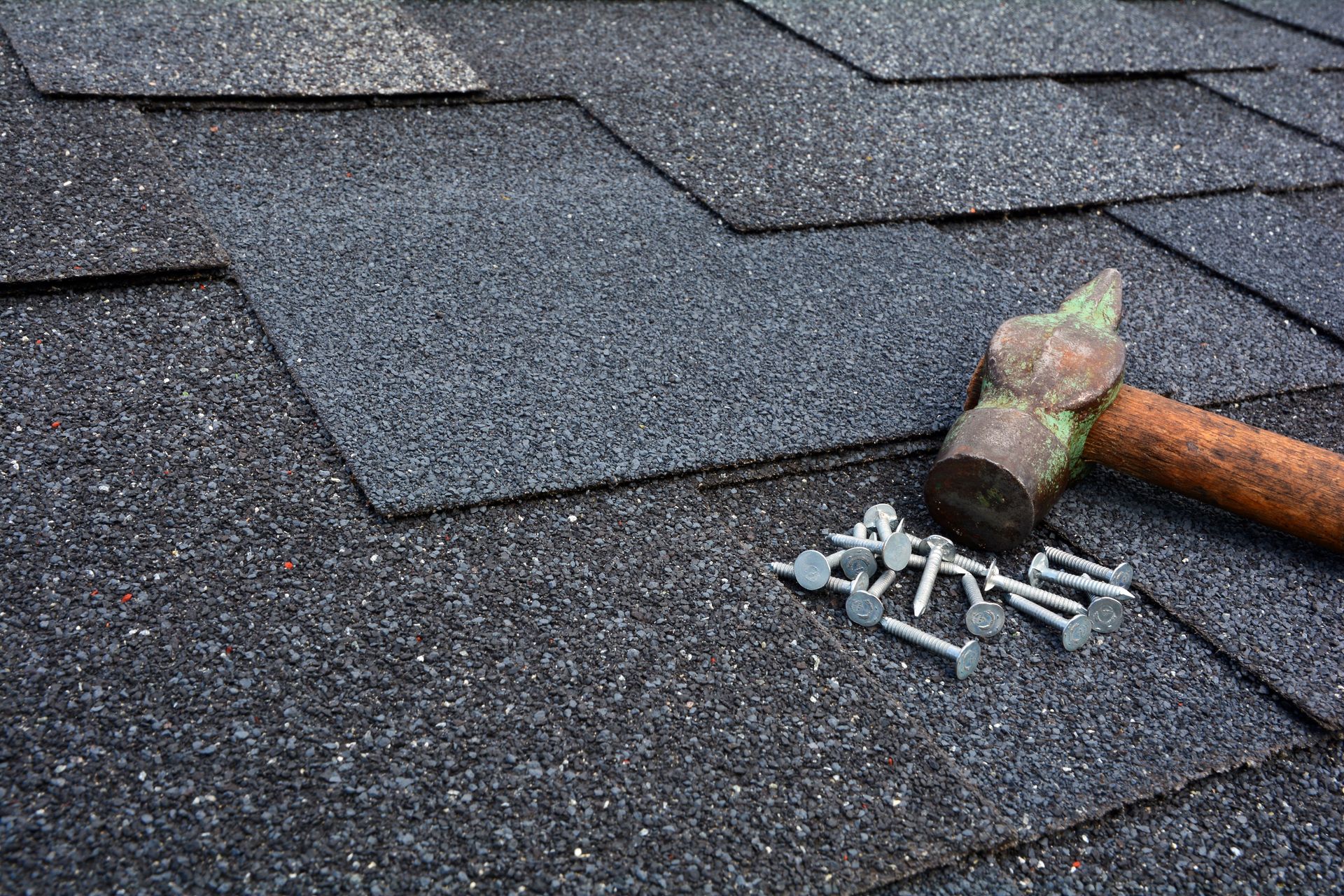
Replacing damaged, cracked, or missing shingles promptly prevents localized exposure from spreading into widespread structural decay. When individual shingles lose integrity, surrounding materials become far more susceptible to wind uplift and water infiltration. Conducting seasonal visual checks allows homeowners to identify missing components and arrange minor roofing repairs right away. Swiftly restoring surface integrity preserves internal underlayment layers and avoids complex, large-scale restoration projects.
Partnering with experienced professionals ensures that all necessary maintenance tasks, structural assessments, and component updates are completed safely and thoroughly. Skilled technicians utilize specialized safety gear and professional-grade materials to restore your roof's defensive barriers without causing accidental damage. Establishing a relationship with a reliable service provider guarantees rapid assistance whenever unexpected weather challenges arise.
Maintaining a residential roof through regular inspections, proactive cleaning, and timely repairs is the most effective strategy for preventing costly structural emergencies. By understanding environmental damage factors and addressing minor defects early, homeowners protect their financial investment and prolong system performance. Routine care minimizes unexpected financial burdens while ensuring long-term safety, energy efficiency, and structural reliability. Investing in consistent maintenance today yields significant long-term savings and preserves home value for years to come.
Partnering with dependable industry experts ensures your property receives the specialized attention required to withstand severe environmental exposure. Experienced technicians have the diagnostic tools and practical skills needed to handle complex structural vulnerabilities safely. When you need immediate assistance or routine preventative care, trust the dedicated team at Rapid Response Roofing & Repairs to secure your home. Contact our professional staff today to schedule a comprehensive roof assessment and keep your property fully protected against unexpected weather events.