September 17, 2026
A roof serves as the primary shield protecting your family, personal belongings, and overall household structure from harsh weather conditions. Day after day, residential roofing systems endure intense solar heat, heavy rainfall, high winds, freezing snow, and windblown debris. Over time, continuous exposure to environmental elements naturally degrades roofing materials, weakening the protective barrier overhead. Because subtle roof damage often goes unnoticed from the ground, minor issues can quietly expand into catastrophic structural failures, severe interior water damage, and dangerous mold infestations before homeowners realize a problem exists.
Ignoring early warning signs of exterior deterioration frequently leads to expensive emergency restorations that compromise the safety and comfort of your living space. Recognizing the physical symptoms of roof wear allows property owners to address minor vulnerabilities before severe weather strikes. Prompt interventions restore structural integrity, prevent water from trickling into attic spaces, and preserve the long-term value of your real estate investment. Paying close attention to physical changes across your ceiling, attic, and roofline empowers you to take decisive action at the first sign of trouble.
Finding trusted professionals to resolve exterior vulnerabilities quickly is essential for preserving property value and safety. According to IBISWorld, there are over 109k roofing contractor businesses across the US. Navigating these options to secure timely assistance ensures that emergency leaks and structural flaws are rectified before weather conditions worsen. Understanding when to request local roofing repairs helps homeowners make smart, cost-effective decisions that keep their households safe, dry, and secure through every season.
Identifying Interior Ceiling Water Stains
Discolored patches spreading across interior ceilings or upper-level walls represent clear warning signs of active water intrusion. These water stains frequently appear as yellowish or brownish rings that gradually expand following heavy rainstorms. When rain penetrates compromised shingles or underlayment, water trickles down internal rafters, pooling on drywall ceilings until moisture saturates the painted surface.
Ignoring ceiling discoloration allows trapped moisture to weaken drywall panels, eventually causing ceilings to sag, bubble, or collapse entirely. Furthermore, damp, dark spaces inside wall cavities create ideal breeding grounds for hazardous mold and mildew colonies that compromise indoor air quality. Spotting even minor moisture rings warrants immediate investigation to locate the exact point of entry along the roof assembly overhead.
Scheduling prompt local roofing repairs stops active leaks at their source, preventing widespread interior property damage. Professional technicians locate hidden entry points, repair torn underlayment, and replace compromised shingles before water spreads to structural framing. Taking fast action protects your ceiling drywall, preserves interior paint finishes, and safeguards family health against toxic mold spore exposure.
Inspecting Missing Shingle Materials
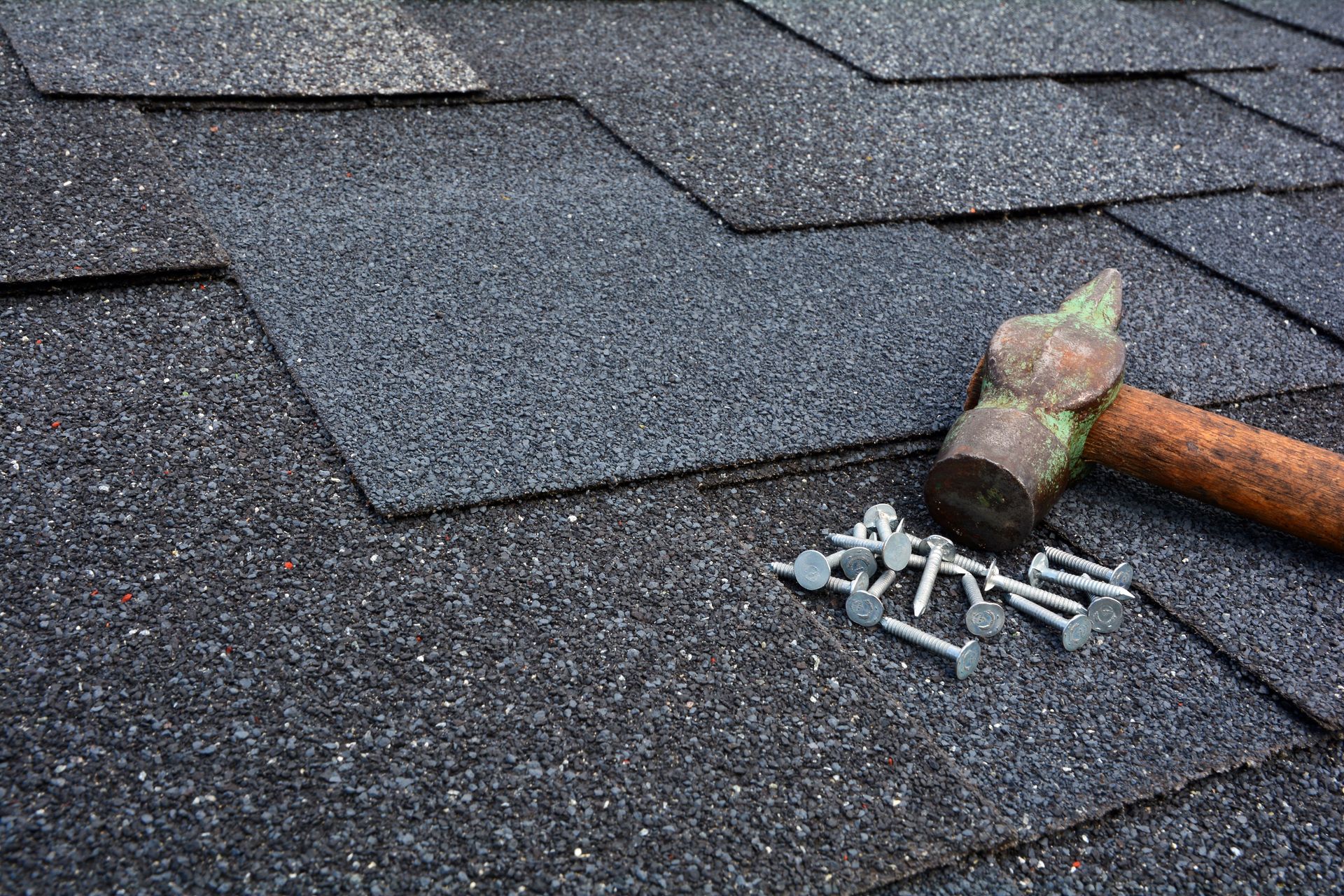
High wind gusts, falling tree branches, and severe storms can easily dislodge shingles, leaving vulnerable underlayment directly exposed to torrential rain and harsh sun exposure. Missing asphalt shingles create open gaps along your roofline where rainwater collects, soaking directly into wooden roof decking below. Prolonged exposure causes structural plywood to rot, warp, and weaken significantly over time.
Even a single missing shingle compromises the protective overlapping design that keeps your entire roofing system watertight. Neighboring shingles surrounding the empty space become far more susceptible to wind uplift during subsequent rainstorms, accelerating the rate of exterior destruction. Inspecting your roofline from the ground after major weather events allows you to spot bare patches before heavy rain causes serious interior structural damage.
Replacing missing protective materials promptly restores the continuous weather barrier required to keep your interior dry. Certified technicians carefully match replacement materials to existing roof textures, ensuring a seamless visual appearance and complete weather protection. Utilizing specialized local roofing repairs ensures that exposed decking is sealed tightly before rotting wood requires extensive structural rebuilding.
Detecting Excessive Granule Accumulation
Asphalt shingles are coated with hard mineral granules designed to shield underlying asphalt layers from harmful ultraviolet radiation, physical impact, and fire hazards. As shingles age and weather naturally, these protective granules begin to loosen and wash away during rainstorms. Checking your gutter troughs and downspout discharge areas often reveals piles of coarse black or gray granules collecting after heavy rainfall.
While minor granule loss is normal for brand-new installations, finding heavy accumulations inside gutters indicates that older shingles are reaching the end of their operational lifespan. Stripped of their protective granule coating, exposed asphalt layers dry out, crack, and become brittle under direct sunlight. This bald condition drastically accelerates shingle degradation, leaving your home vulnerable to sudden storm leaks.
Evaluating granule loss helps homeowners determine whether isolated maintenance or widespread component replacements are necessary. Identifying thinning shingle surfaces allows technicians to apply targeted protective seals or replace severely worn sections before water breaches the sub-layer. Requesting routine local roofing repairs keeps your protective barrier strong, preserving shingle flexibility and extending the overall lifespan of your roof.
Checking Sagging Roof Structure Lines
A healthy roof assembly features straight, level ridge lines and uniform plane surfaces across every elevation. Noticing visible dips, sags, or curved depressions along your roofline indicates severe structural distress requiring immediate professional intervention. Sagging rooflines typically signal that underlying decking, support rafters, or structural trusses have been compromised by prolonged water exposure or excessive weight loads.
Rotting wooden framing loses its load-bearing capacity, bending under the weight of heavy shingles, accumulated snow, or standing ice dams. In extreme cases, neglected structural rot leads to partial or total roof collapses that endanger household residents and destroy interior property. Visible drooping along external roof planes demands urgent technical evaluation to assess framing stability and prevent catastrophic failure.
Addressing structural sagging requires immediate professional stabilization and specialized repair techniques. Technicians reinforce weakened support beams, replace rotted plywood decking, and install proper structural bracing to restore correct roofline geometry. Securing timely local roofing repairs addresses underlying structural rot, ensuring that your home remains safe, level, and structurally sound under heavy storm loads.
Spotting Damaged Flashing Components
Roof flashing consists of thin metal strips installed around vulnerable joint areas, including chimneys, skylights, dormers, plumbing vents, and wall intersections. These metal barriers guide rainwater away from critical seams where different roof planes meet. Over time, metal flashing can rust, warp, pull away from masonry, or lose its watertight sealant bond due to thermal expansion and contraction.
Cracked or missing flashing allows rainwater to channel directly into internal wall cavities and attic spaces, bypassing outer shingle layers entirely. Because flashing leaks frequently occur along interior wall lines, water damage often goes unnoticed until extensive rot affects interior studs and ceiling joists. Inspecting metal joint barriers during routine maintenance checks helps identify loose seals before water penetrates deep into home framing.
Repairing compromised flashing components requires precise metalworking, specialized sealant application, and careful integration with surrounding shingles. Qualified specialists replace corroded metal strips, re-seal masonry joints, and install custom-bent flashing to ensure complete water shedding performance. Investing in professional local roofing repairs seals high-risk joint areas tightly, preventing silent water leaks from ruining internal living spaces.
When you need immediate, reliable, and expert assistance to protect your home from sudden weather damage, our dedicated team stands ready to respond. At Rapid Response Roofing & Repairs, we take immense pride in protecting local properties through comprehensive inspections, emergency leak stops, structural reinforcements, and complete exterior restorations. Contact our welcoming team today to schedule your comprehensive roof evaluation and secure absolute protection for your home.